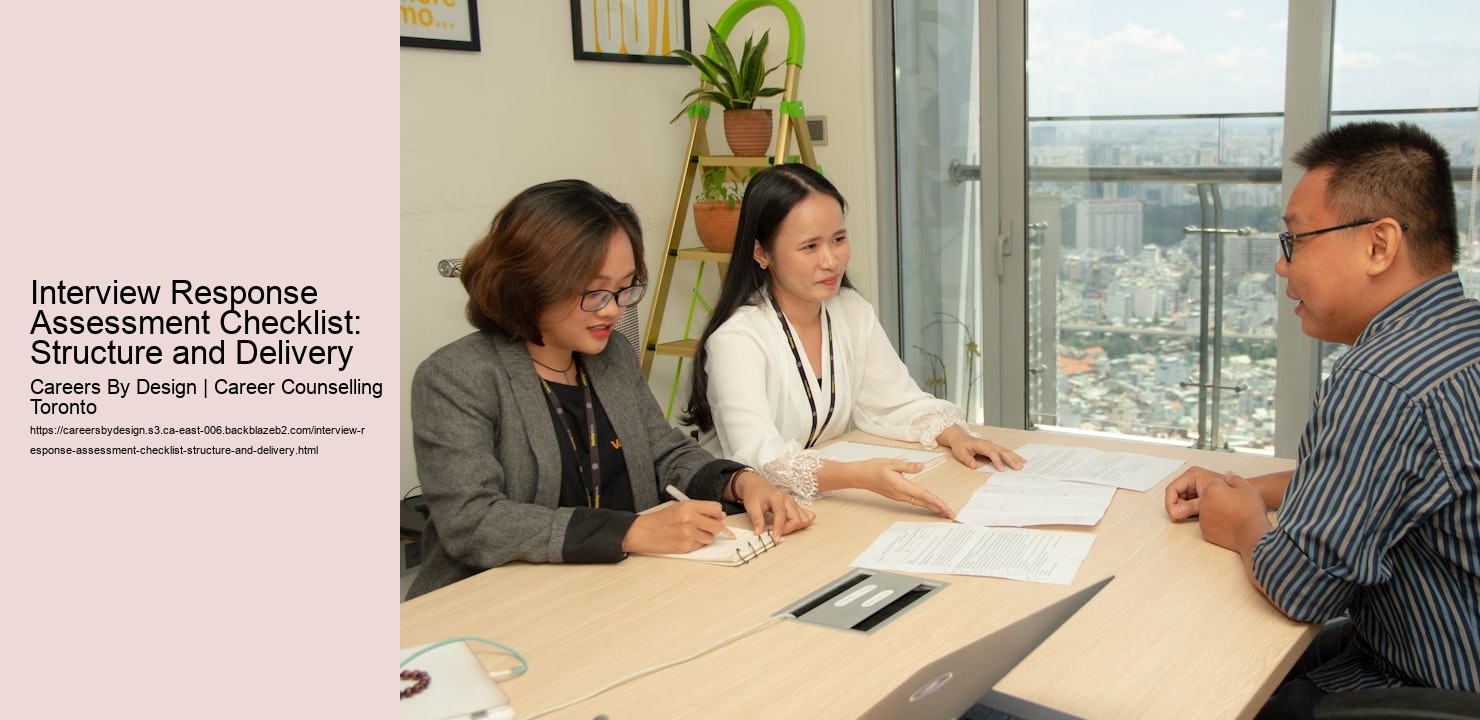
Let's face it - you know your stuff, but explaining it confidently in an interview? That's a whole different challenge. Think of your last interview - did your voice shake a bit? Did you ramble or freeze up? Don't worry, you're not alone.
Start by recording yourself answering common interview questions. Yes, I know it feels awkward, but trust me on this one. Listen back and check these key points:
Your opening 30 seconds can make or break the interview. Think of it like a first date - you want to come across as genuine and put-together, not desperate or scattered.
If you're struggling to assess yourself objectively (we all do), getting an expert's perspective can be game-changing. A professional interview coach can spot those subtle things you might miss - like that nervous habit of playing with your hair or speaking too quickly when you're unsure. They'll give you honest feedback and practical fixes (interview coaching can transform how you present yourself).
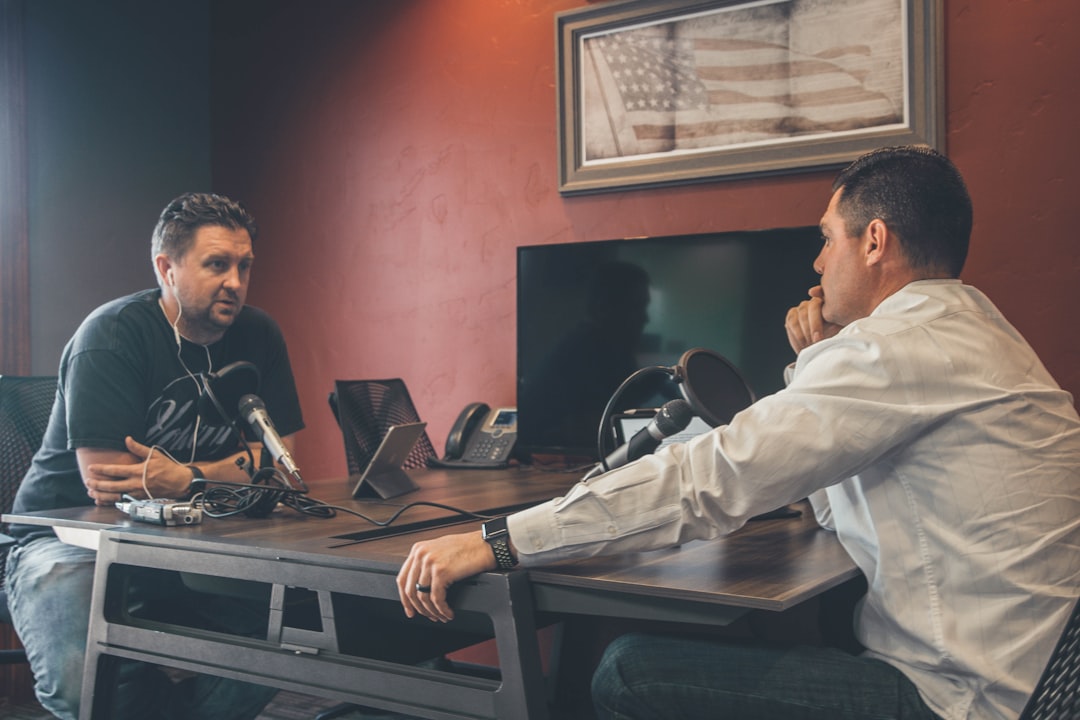
Remember that one friend who always tells great stories? They probably use a clear structure, maintain good eye contact, and read their audience's reactions. These are exactly the skills you need in an interview. Practice telling your work stories the same way - with a clear beginning, middle, and end.
Quick tip: Record yourself on your phone answering "Tell me about yourself" three different ways. You'll be amazed at how much you can improve just by listening and adjusting.
Interview Response Assessment Checklist: Structure and Delivery
Ever catch yourself rambling in interviews, wondering if you're actually answering the question? You're not alone. I've seen countless talented professionals get tangled up in their own words when the pressure's on.
Think of your interview answers like a mini-story. You want a clear beginning (addressing the question directly), a meaty middle (your specific example), and a strong ending (connecting back to the role). No need to memorize a script - just keep this simple framework in mind.
When you're nervous, it's tempting to dive into every detail of your experience. Instead, try the STAR method: Situation, Task, Action, Result. I recently worked with a client who transformed her 5-minute wandering responses into punchy 90-second stories that had interviewers nodding along.
Watch out for these common traps: starting with "Well, um..." or ending with "...so yeah." These verbal crutches can make you sound unsure of yourself. Jump right in with confidence - even if you have to fake it at first.
Need help practicing this structure? Professional interview coaching can give you real-time feedback on your delivery and help you spot patterns you might miss on your own.
Record yourself answering practice questions on your phone. Yes, it feels awkward at first (we all hate hearing our own voice), but it's eye-opening. You'll quickly notice if you're speaking too fast, using too many fillers, or losing your train of thought.
Remember that perfect polish isn't the goal - authenticity is. Your interviewer wants to get to know the real you, just the best version of yourself. Keep your answers focused and purposeful, but let your personality shine through.
Your voice is one of your most powerful tools during an interview. Speaking too quickly can make you seem nervous, while talking too slowly might make the interviewer lose interest. Try recording yourself answering practice questions to get a feel for your natural pace. Pay attention to your volume - you want to be clearly heard without shouting. Remember to vary your tone to keep the conversation engaging, just like you would with a friend. A monotone voice can make even the most interesting accomplishments sound boring.
Every interview response needs a clear beginning, middle, and end. Start with a direct answer to the question, then back it up with a relevant example from your experience. Think of it like telling a quick story - set the scene, explain what happened, and wrap up with the results or what you learned. Keep your answers focused and aim for about 2-3 minutes per response. If you find yourself rambling, it's okay to pause and redirect back to your main point.
Your posture and movements say as much as your words during an interview. Sit up straight but stay relaxed - imagine there's a string pulling gently from the top of your head. Keep your hands visible and use natural gestures when you speak, but avoid fidgeting with your clothes or hair. Make consistent eye contact without staring, just like you would in a regular conversation. When you're nervous, it's tempting to cross your arms or legs tightly, but try to maintain an open posture.
Taking a moment to gather your thoughts before answering shows confidence, not hesitation. Give yourself 2-3 seconds to process each question - this helps prevent rambling or missing the point. If you need more time, it's perfectly fine to say "Let me think about that for a moment." Watch for cues from your interviewer - if they start to look distracted, wrap up your current point. Don't rush to fill every silence - comfortable pauses are natural in conversation.
Showing that you're truly listening helps build rapport with your interviewer. Nod occasionally and use brief verbal acknowledgments like "yes" or "I see" when appropriate. If a question isn't clear, don't be afraid to ask for clarification - it's better than giving an off-target answer. Watch your interviewer's facial expressions and body language for feedback about how you're doing. Remember to stay focused on the current question instead of planning your next answer while they're still speaking.

Ever wonder if you're coming across the way you want to in interviews? Let's break down the key elements of how you structure your answers and deliver them with confidence. Your Voice Tells a Story Think about how you sound when chatting with a good friend - that's your natural speaking voice. In interviews, anxiety can make your voice shaky or too quiet. Take deep breaths and try to find that same comfortable tone you use in everyday conversations. A quick voice warm-up before your interview can work wonders. Hum a few notes or read something out loud to get your voice ready. Just like athletes stretch before a game, your voice needs a bit of prep too. Pacing and Pauses Racing through your answers? You're not alone. When nerves kick in, many of us talk faster than usual. Try the "coffee shop pace" - imagine explaining something to a friend over coffee. That's your ideal speaking speed. Don't be afraid of short pauses. They give you time to gather your thoughts and help your interviewer process what you're saying. Plus, a well-timed pause can add impact to your key points. Body Language That Backs You Up Your words matter, but so does everything else you're communicating without speaking. Sit up straight but stay relaxed - think "alert but comfortable." Make natural eye contact like you would in any professional conversation. Keep your hands visible and use them naturally when you speak. Crossed arms or hidden hands can make you appear closed off or nervous. If you're doing a video interview, position your camera at eye level and remember to look at it occasionally. Practice Makes Progress Recording yourself answering practice questions can feel awkward, but it's incredibly helpful. You'll notice things about your delivery you never realized before. Many job seekers find that
professional interview coachinghelps them spot and improve these subtle communication patterns. Think of your interview responses like mini-presentations. Each answer should have a clear beginning, middle, and end. When you practice, focus on telling your story in a way that flows naturally while hitting all your key points. Remember, the goal isn't perfection - it's authentic communication. Your interviewers want to get to know the real you, just a slightly more polished version. Keep practicing until your delivery feels natural, not rehearsed.
Ever caught yourself rambling in an interview and thought "Yikes, I'm totally bombing this"? Don't worry - we've all been there. The good news is you can actually measure and improve how well you're communicating during interviews.
Let's look at a simple checklist to assess your interview responses. Think of it like a friendly coach giving you feedback, not a harsh critic picking apart every word.
Your answers should take about 45-60 seconds. Any shorter and you might seem unprepared. Any longer and you risk losing the interviewer's attention. Time yourself practicing - you'll be surprised how this sweet spot feels.
Start with a direct answer to the question. Fill in supporting details or a quick story in the middle. Wrap up by connecting back to the role you're interviewing for. No trailing off or "um, yeah, so that's it..."
Are you making natural eye contact or staring at the floor? Is your posture saying "I'm confident" or "I want to disappear"? Record yourself on video - you might notice habits you never knew you had.
Speaking too fast is a classic nervous tell. Take deliberate breaths between thoughts. Vary your tone to sound engaged, not monotone. And please don't whisper - they need to hear your awesome answers!
If you're feeling stuck or want expert feedback, professional interview coaching can help you spot your blind spots and build confidence through practice. Sometimes an outside perspective makes all the difference.
Your enthusiasm should match the role. Going for a high-energy sales job? Bring that spark! Technical position? Stay engaged but measured. Read the room and adjust accordingly.
Remember, assessing your interview skills isn't about beating yourself up - it's about getting better one practice session at a time. Focus on progress, not perfection. You've got this!
Ever catch yourself rambling in interviews, wondering if you're actually answering the question? You're not alone. I've seen countless talented professionals get tripped up not because they lack skills, but because their interview responses go off track.
Let's do a quick self-check of your interview responses. Think about your last interview or practice session. Did you start strong but then drift into unrelated territory? Maybe you shared a great story but forgot to connect it back to the job?
Keep your answers focused and punchy - aim for about 60 seconds per response. Any longer and you risk losing your interviewer's attention. Think headline first, then support it with a brief example.
You've probably heard of STAR (Situation, Task, Action, Result). But here's the trick - don't make it sound like you're reading from a script. Weave these elements into a natural story that flows.
For example, instead of "The situation was..." try "When our team faced a tight deadline..." It sounds more conversational and keeps the interviewer engaged.
Your words matter, but so does how you deliver them. Are you maintaining good eye contact? Do your hands move naturally, or are they frozen in your lap? These non-verbal cues can make or break your interview.
If you're feeling shaky about your interview skills, consider working with an interview coach who can give you honest feedback and help you practice until it feels natural. Sometimes we need that external perspective to spot habits we didn't even know we had.
Notice if you're speaking too quickly (a common sign of nervousness) or too quietly. Try recording yourself answering practice questions - you might be surprised at what you hear.
Remember, interviewers are just people too. They want to have a real conversation with you, not listen to a rehearsed speech. Keep it authentic, stay focused, and let your personality shine through.
Ever noticed how some people tell stories that keep you hanging on every word? That's exactly what you want in your interview answers. Start with a clear beginning that grabs attention, move through your key points, and wrap up with impact.
Think of your answers like mini stories. When the interviewer asks about a challenge you faced, don't just dive into the middle. Set it up briefly: "When I was leading the marketing team at ABC Company..." Then walk through what happened and end with the results you achieved.
Nobody wants to hear a 10-minute answer to a simple question. Aim for about 2-3 minutes for behavioral questions ("Tell me about a time when..."). For shorter questions, keep it under a minute.
Not sure if you're talking too much? Practice with a timer. You'll start to get a feel for what 2 minutes actually feels like. If you're running long, you'll see where to trim.
Your words matter, but so does everything else you're saying without speaking. Sit up straight but stay relaxed - like you're having coffee with someone you respect. Keep your hands visible and use natural gestures when you speak.
Nervous energy showing up in foot-tapping or pen-clicking? Put both feet flat on the floor and keep your hands gently rested on your lap or the table. It's amazing how this simple change can help you feel more centered.

Even the best answer falls flat if it sounds like you're reading from a script. Vary your tone like you would in a normal conversation. Show genuine enthusiasm when you talk about your achievements.
If you're feeling stuck or unsure about how you're coming across, consider working with an interview coach who can give you honest feedback and help you polish your delivery. Sometimes we can't hear ourselves the way others do.
Your answers should flow naturally from point to point. If you catch yourself saying "um" and "uh" too much, that's often a sign you need to organize your thoughts better. Try the STAR method (Situation, Task, Action, Result) to keep your stories on track.
Think of your interview like a conversation, not an interrogation. Take a breath between answers, maintain eye contact, and don't be afraid to briefly pause if you need to gather your thoughts. It's better than rushing into an unfocused response.